
To support your global practice, ACC Docket offers country-specific fun facts from your peers who've been there — literally.
| Economy | GDP (purchasing power parity in USD) $569.51 Billion (2014) |
| Population | 174 m (2013 census) |
| Corruption | According to Transparency International’s 2014 Corruption Perception Index, Nigeria ranks 136 out of 176 countries with a score of 27 out of 100. |
| Currency | Nigerian Naira (NGN) |
| Legal System | Mixed – English common law and Islamic/Customary law |
Nigeria is a former British colony retaining certain vestiges of her colonial past in language and dress. The official language is English, used for business, education, and formal interaction. English language is complemented by over 250 indigenous languages and a variant of Nigerian-style English colloquially known as “pidgin English,” which is predominant in southern Nigeria.
Nigerian weather is tropical. For business and other formal occasions, conventional Western dress is common.
Nigerians are largely sensitive to titles. It is considered impolite not to use his or her correct title. Common titles include “Dr,” “Chief,” “Reverend,” “Alhaji,” “Elder,” or “Honourable.” This is noticed on business cards, and such titleholders — particularly in traditional settings — repeat their names with the appropriate prefix to politely make a correction in the event of an omission.
Nigerians are generally warm and hospitable. In a matter of minutes, you are expected to warm up to your hosts and answer some “personal” questions about your family, hobbies, and interests. This demonstrates the host’s appreciation for the guest. Nigerians are happy people and enjoy relaxation. Many business meetings and decisions are often taken further at happy hour. Holidays, backed by law, average about 12 days of the year, and include independence, democracy, children’s, workers’, and faith-based holidays.
The set time for official functions is often relaxed. A government meeting is not likely to commence until the arrival of a top government official. A traditional courtesy of “Your Excellencies,” “My Lords,” and so on form the introductory part of meetings or speeches.
The exchange of gifts is a matter of culture and business etiquette. It is not out of place to be presented with memorabilia by your hosts. In some traditional events, it is taboo to reject the traditional offer of gifts such as kolanuts or a token sum of money to welcome guests.
In local markets, the fixed price concept is not known. Bargaining and haggling, which might involve uncivil language, is common.
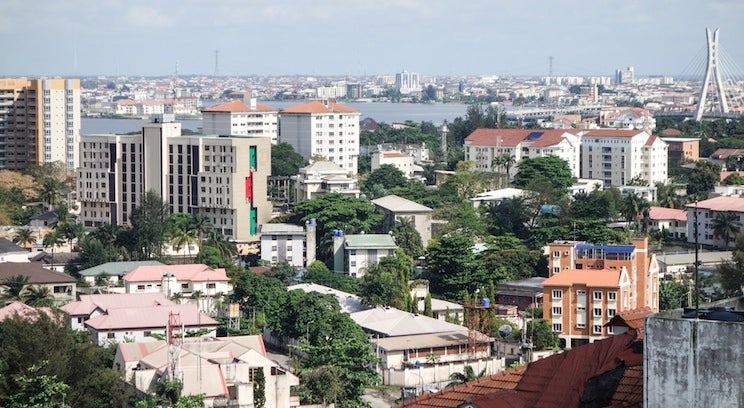
There are ancient cities and monuments worth exploring in Nigeria — Lagos, Ile-Ife, Kano, Oji River, and Abuja. If you are in Lagos, a visit to the National Museum, Lekki-Ikoyi Link Bridge, Tafawa Balewa Square, or Ilado beach is worthwhile.
In the Federal Capital Territory, a visit to the Millennium Park and Jabi Lake is recommended.
There are lots of restaurants in every city with different cuisine that is unique to that environment. Portharcourt, Calabar, Lagos, and Ibadan offer memorable culinary experiences. At a minimum, you should have a taste of “pepper soup” before departing Nigeria.