Banner artwork courtesy of Lubna Qassim. First-ever commemoration of the International Day of Women in Diplomacy, June 2024, United Nations Geneva.
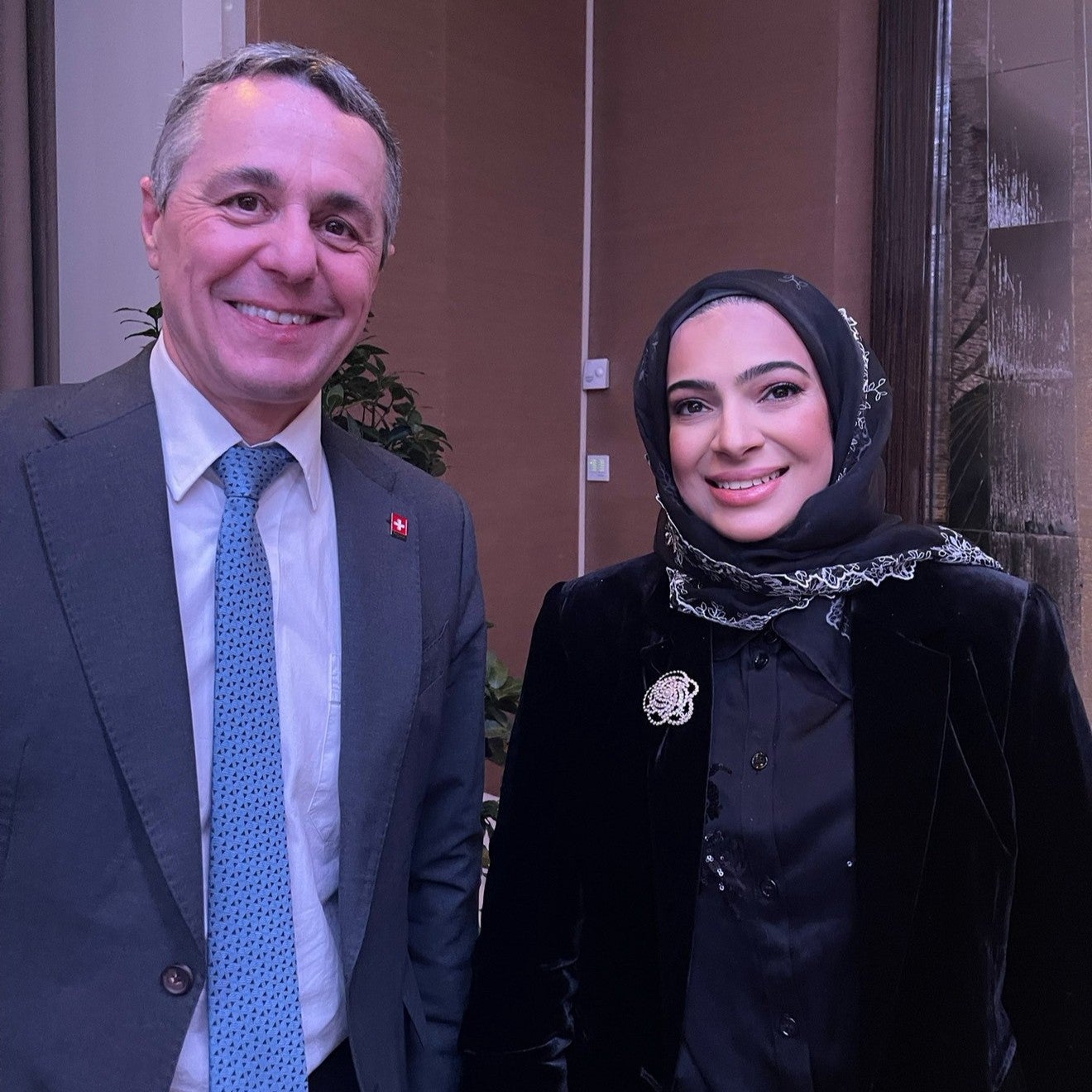
Lubna Qassim has navigated the high-precision demands of private practice, the fast-paced realities of in-house counsel, and the high-stakes arena of international diplomacy.

Former Deputy Permanent Representative of UAE
to the UN Geneva 2019-2024
In this interview with ACC, she reflects on what CLOs and GCs can learn from crossing these worlds — and why the role of counsel is more critical than ever on the global stage.
Qassim’s career milestones include:
- Private practice: Qassim started in the corporate finance practice at Clifford Chance in London and Dubai, honing high-precision legal expertise.
- Legislative leadership: Qassim led the Economic Legislation Department at the UAE Ministry of Economy, driving major economic legal reforms including the 2015 Companies Law and 14 other Federal Laws first time in 26 years.
- In-house leadership: Qassim served as EVP, Group Chief General Counsel & Company Secretary at Emirates NBD — the bank’s first woman executive — building a fit for purpose golden standard Legal 500-ranked in-house team. She was awarded the IFLR best general counsel – woman in business law in Middle East in 2018.
- Diplomatic counsel: Qassim has held senior roles at the Ministry of Foreign Affairs and the United Nations in Geneva, representing the UAE on global legal and diplomatic matters.
Qassim thrives in complexity, balancing legal rigor with pragmatic problem-solving. Whether in a boardroom or a diplomatic chamber, she emphasizes trust, adaptability, and clarity — often translating legal frameworks into actionable, business-aligned strategies.
In-house, you’re the GPS — navigating in real time. In diplomacy, you’re the conscience — reminding all parties of their obligations to humanity.
Lubna Qassim
Qassim provided the following advice to aspiring general counsel:
- Master the pivot: Cultivate both depth and range. Specialization is valuable, but agility wins in fast-changing environments.
- Earn influence daily: Trust is built through consistent, crisis-tested judgment — not just technical expertise.
- Think beyond the deal: The most successful counsel see beyond immediate wins to the long-term stability of relationships and agreements.
- Stay anchored in integrity: In high-stakes decisions, your credibility is your most valuable currency.
ACC:
You’ve experienced both private practice and in-house counsel work. How do you describe the shift?
Qassim:
The customs are wildly different. In private practice, precision is your passport — every detail is scrutinized. The law itself is the answer, and “no” is often the safest ground. In-house, momentum is the real currency. “No” is just the opening act; the business wants a path to “yes,” and they want it fast. You stop being only a legal technician and become the company’s GPS, recalculating routes in real time.
ACC:
How does influence work differently in these environments?
Qassim:
In private practice, influence is purchased — clients listen because they’re paying for your time. In-house, you earn influence every single day. It’s about trust built through crisis management and sound judgment. Law firms prize depth, but in-house rewards range — the ability to move from GDPR to government affairs to deciphering the politics of the boardroom.
ACC:
You’ve also taken your skills into international diplomacy. What changes in that arena?
Qassim:
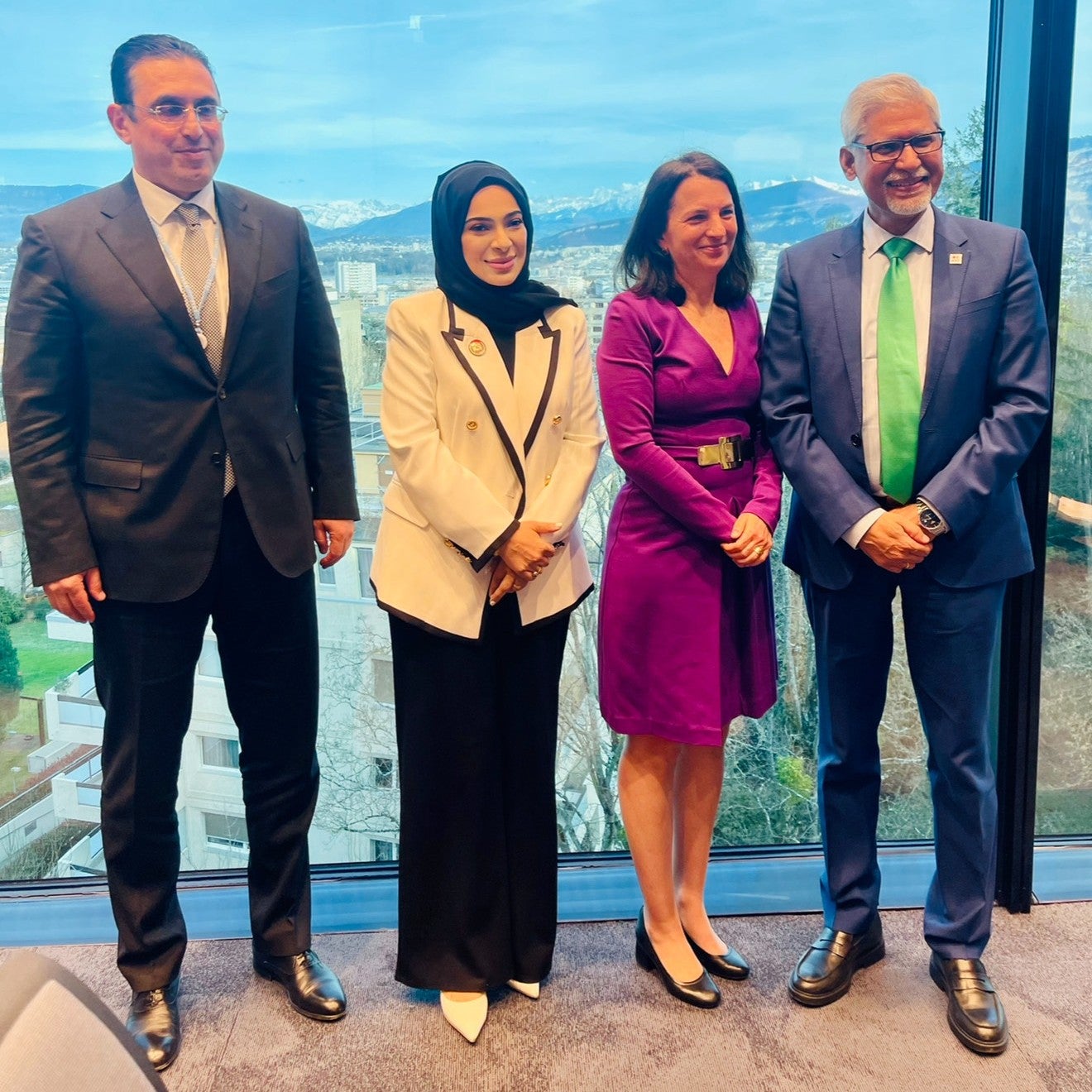
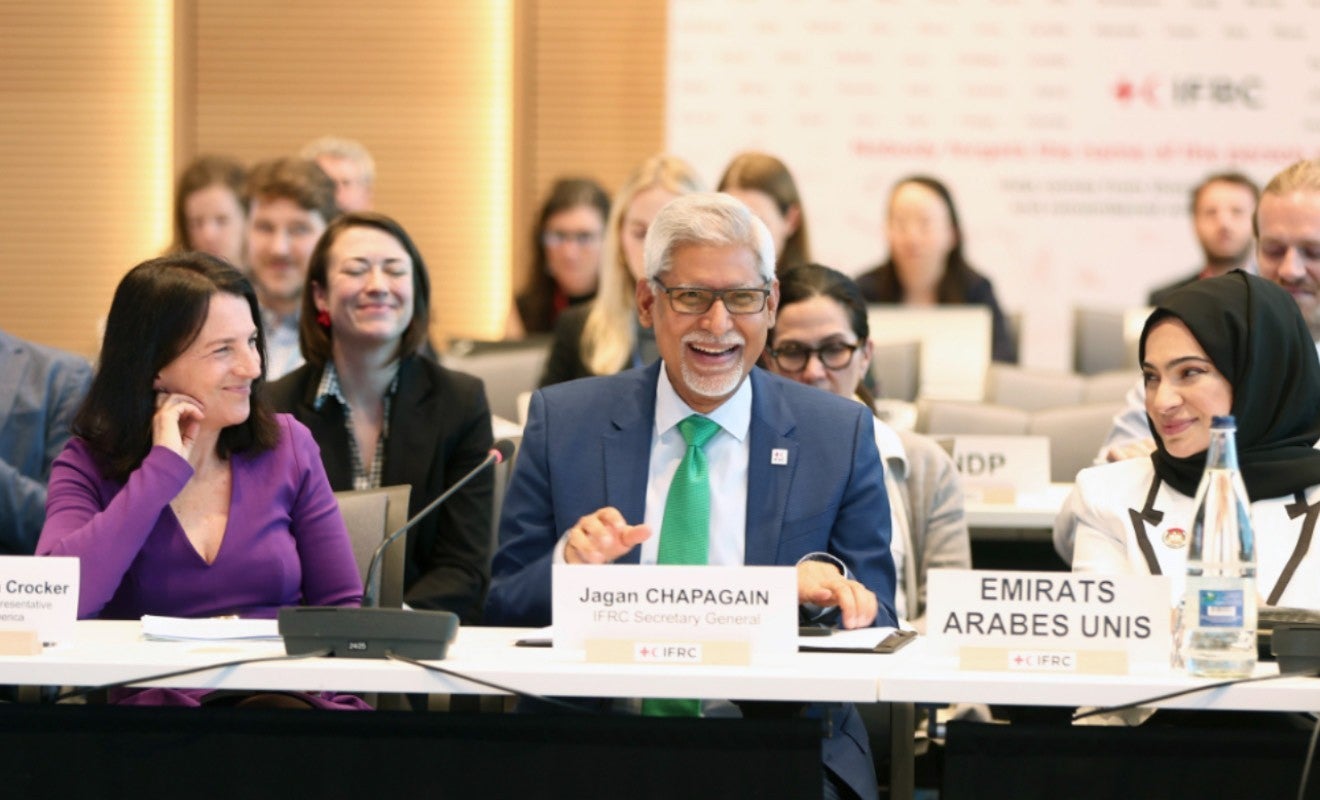
When I transitioned from the corporate and legal world into multilateral diplomacy, the fundamentals of negotiation, strategy, and leadership stayed the same, but the scale and responsibility expanded dramatically. In diplomacy, I was no longer advancing the goals of a single institution — I was working on the global stage with 193 UN member states and more than 30 UN bodies and international agencies, each with their own priorities, histories, and perspectives. The task was not about winning a deal, but about forging consensus across nations whose interests often diverged, and yet whose cooperation was essential for global progress.
The breadth of issues I engaged with was equally transformative. One day it could be the Nuclear Non-Proliferation Treaty with the Japanese where the stakes were global security and the prevention of catastrophic conflict. Another day it could be negotiating Human Rights resolutions on artificial intelligence at the Human Rights Council addressing how emerging technologies intersect with dignity, privacy, and fundamental freedoms. This range — from hard security to human rights in the digital age — demanded not only technical expertise but also cultural sensitivity, patience, and the ability to think across decades rather than quarters.
What changes most in diplomacy is the impact horizon. In business, outcomes are often measured in financial terms and short cycles. In diplomacy, the outcomes are measured in peace, stability, and cooperation that may unfold over generations. Carrying the voice of a nation or a region on such a stage is a profound responsibility — one that requires humility, vision, and a commitment to building a more cooperative and inclusive world.
ACC:
What is the counsel’s role when the stakes are global?
Qassim:
We are often the voice of caution in negotiations, ensuring agreements are not only expedient but just and sustainable. In moments of crisis, we act as the conscience — reminding all parties of their obligations to each other and to humanity. The challenge is navigating the space where law, politics, and morality collide, while staying anchored in integrity.
This journey has shown me that while the settings and stakeholders may change, the underlying commitment to service, relationship-building, and meaningful impact remains at the heart of both the legal and diplomatic professions.
ACC:
How must counsel adapt to today’s global challenges?
Qassim:
Counsel today must adapt to a legal landscape defined by rapid technological change, evolving client expectations, and increasing global complexity. This environment is fundamentally reshaping the role of GCs, requiring agility, continuous learning, and a willingness to innovate. Today’s global challenges demand that counsels be not just legal experts, but also innovators, strategists, and trusted advisors.
Disclaimer: The information in any resource in this website should not be construed as legal advice or as a legal opinion on specific facts, and should not be considered representing the views of its authors, its sponsors, and/or ACC. These resources are not intended as a definitive statement on the subject addressed. Rather, they are intended to serve as a tool providing practical guidance and references for the busy in-house practitioner and other readers.